Bushfire Preparedness For Coastal Homes In Wollongong: A Fire Safety Checklist
Author: Pasiv Fire | Date: December 4, 2025
On this page:
- 1. Assess Your Home’s Bushfire Risk Level
- 2. Check All Passive Fire Protection Systems
- 3. Inspect External Walls, Cladding & Vents for Vulnerabilities
- 4. Confirm Roof, Gutters & Ember Paths Are Secure
- 5. Clear Vegetation & Create a Safe Perimeter
- 6. Seal Gaps, Cracks & Openings Around the Home
- 7. Review Fire-Rated Doors, Windows & Barriers
- 8. Prepare a Bushfire Response & Evacuation Plan
- Ready to Strengthen Your Home’s Bushfire Protection?
Living near the coast offers incredible lifestyle benefits, but it also comes with unique fire safety challenges. Salty winds, dry vegetation, and the steep escarpment create conditions that allow bushfires to escalate quickly and unpredictably. For coastal homeowners, early preparation is the strongest defence. Bushfire readiness isn’t just about reacting during an emergency; it’s about building long-term protection into your property so it can withstand heat, embers, and changing weather patterns.
This checklist outlines practical steps for enhancing
fire safety in Wollongong, focusing on both everyday maintenance and long-term improvements. By following these guidelines, homeowners can reduce risk, improve resilience and ensure their homes are supported by effective
passive fire protection systems.
1. Assess Your Home’s Bushfire Risk Level
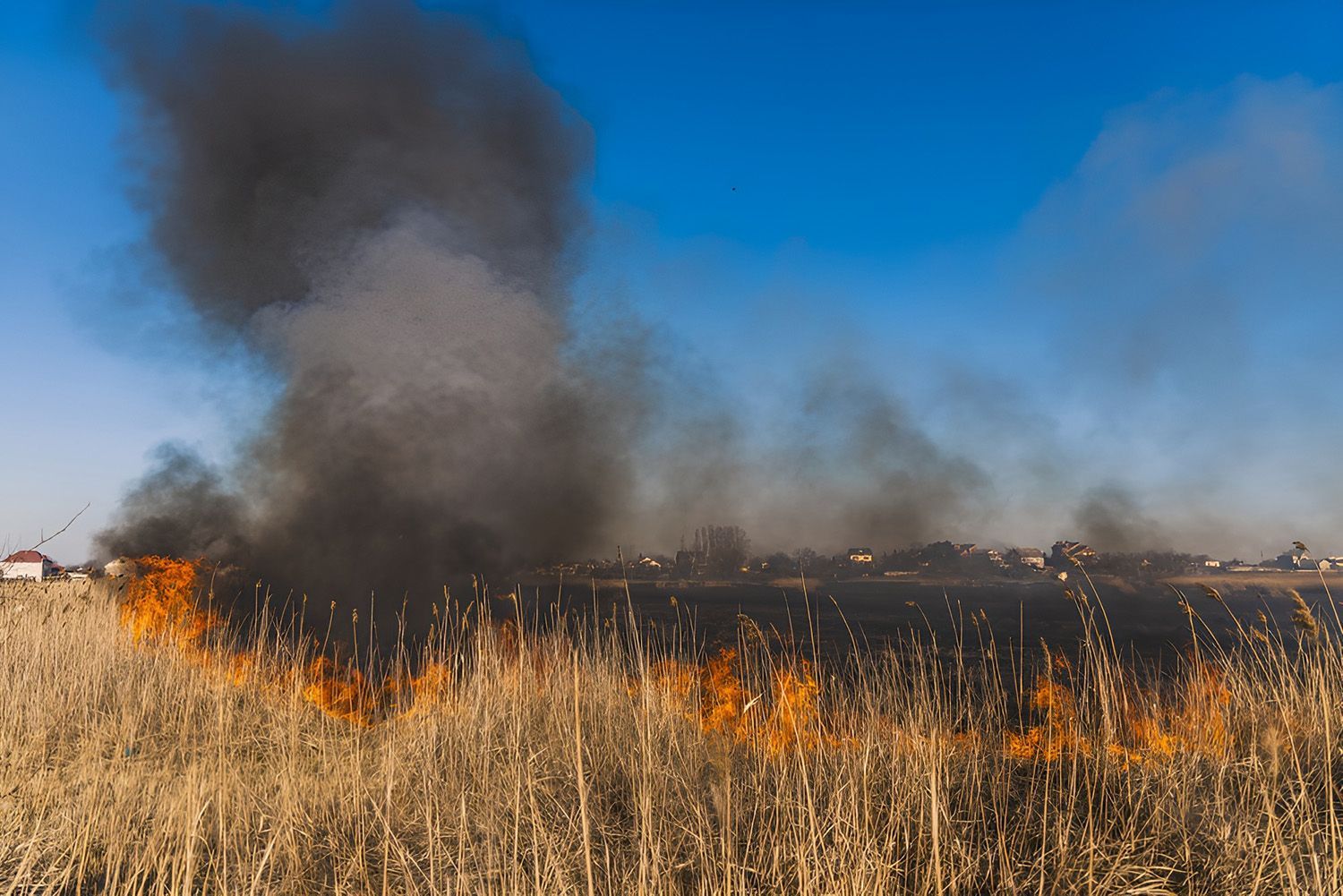
Every bushfire plan begins with understanding the exact level of risk your home faces. Coastal suburbs often sit close to bushland corridors, making ember attacks more likely even when flames aren’t nearby. These areas can also experience shifting winds and dry conditions that increase the speed and unpredictability of a fire. Knowing how these factors interact with your property helps you prioritise the upgrades that matter most.
A professional assessment identifies factors that affect vulnerability, including:
- The proximity of surrounding vegetation
- The slope of the land, which influences fire spread
- Wind exposure, particularly from coastal winds
- Material weaknesses in existing structures
A clear risk overview helps guide which passive fire protection services will deliver the strongest improvements to your home.
2. Check All Passive Fire Protection Systems
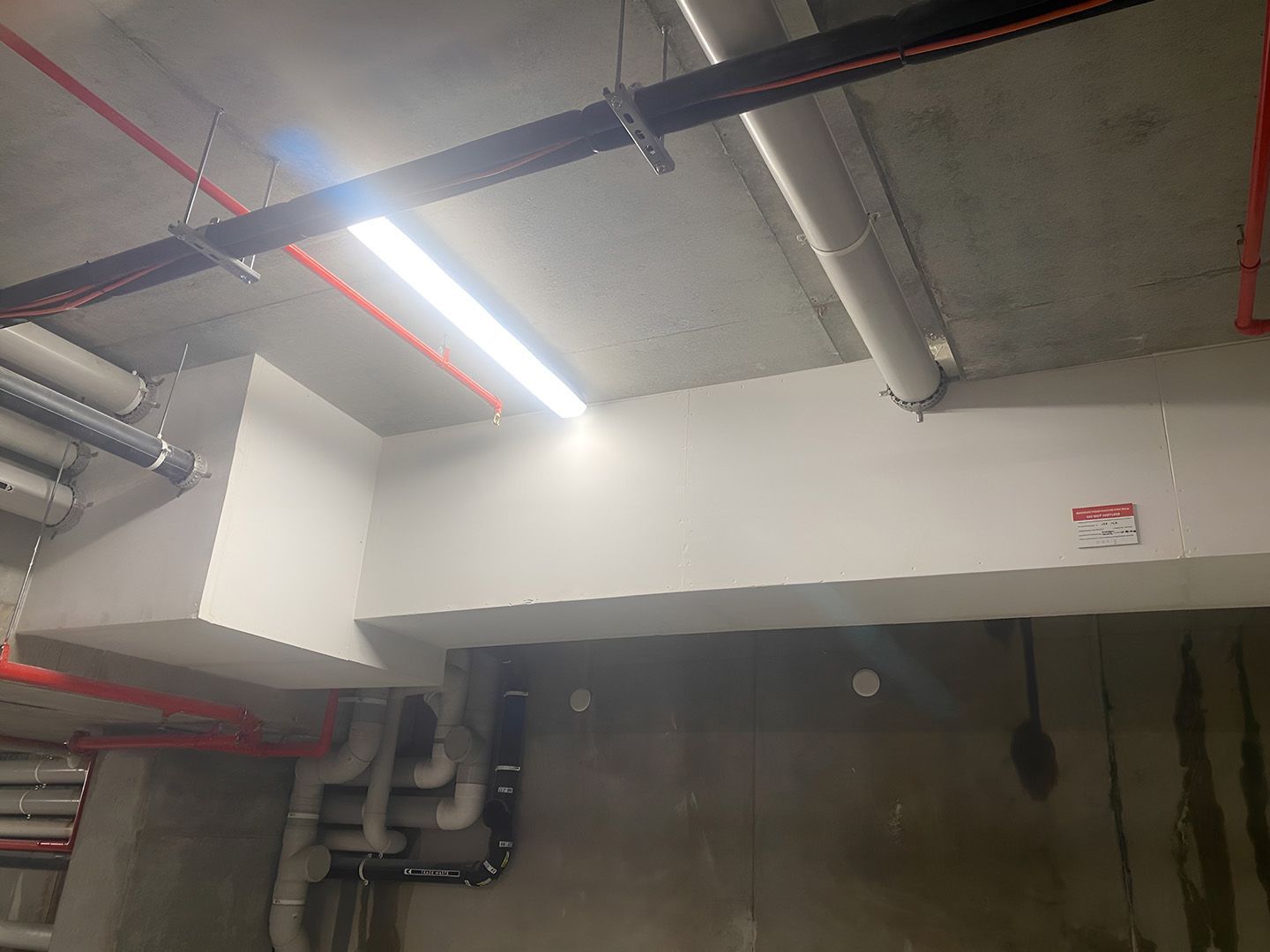
Passive fire protection systems that Wollongong homeowners rely on are designed to slow the spread of heat, smoke and flames. Unlike active systems that require triggering, passive solutions work continuously in the background.
A thorough inspection typically covers:
- Fire-rated building materials
- Fire-resistant seals around pipes, cables & wall penetrations
- Fire-stopping products that compartmentalise risk
- Protective barriers designed to maintain structural integrity under heat
Ensuring each passive fire protection system is properly installed and maintained provides critical time during an emergency and reduces the chance of structural failure.
3. Inspect External Walls, Cladding & Vents for Vulnerabilities
A coastal climate can cause external building materials to wear out faster, increasing vulnerabilities to ember attacks. Salt, moisture and strong winds gradually break down surfaces, creating small openings that embers can easily exploit. Even a tiny gap in cladding or vents can allow embers to enter roof cavities or wall spaces, where they may smoulder unnoticed.
Key areas to examine include:
- Weathered cladding or cracks
- Wall vents that lack ember guards
- Timber facades showing deterioration
- Openings around utilities
Regular inspections allow early repairs, reinforcing fire safety in Wollongong properties and preventing embers from settling in hidden areas. By addressing these issues proactively, homeowners strengthen the building envelope and reduce the likelihood of internal ignition.
4. Confirm Roof, Gutters & Ember Paths Are Secure
The roof is one of the most exposed parts of any home during a bushfire. Embers can accumulate quickly in gutters, valleys and loose roofing materials, often igniting long before flames reach the building. Because the roofline is elevated and broad, it becomes a primary landing point for wind-driven embers that can enter through even the smallest openings. This makes thorough inspection and maintenance essential for coastal properties.
A comprehensive ember-path inspection typically reviews:
- The condition of roof tiles, metal sheets & ridge capping
- Gutter cleanliness & debris buildup
- Ember guards installed over gutters
- Gaps or broken seals along roof lines
Cleaning, sealing and maintaining the roofline makes a dramatic difference to how well your home defends against airborne embers.
5. Clear Vegetation & Create a Safe Perimeter
A defensible space around the home reduces fire intensity and stops flames from directly reaching the structure. Coastal vegetation grows thick and fast, especially after rainfall.
Effective vegetation management often focuses on:
- Pruning tree branches overhanging the home
- Removing dry leaves, palm fronds & shrubs
- Keeping firewood away from external walls
- Reducing garden materials that ignite easily
This step alone significantly lowers fire spread, making it essential for bushfire readiness.
6. Seal Gaps, Cracks & Openings Around the Home
Small gaps provide perfect entry points for embers, especially during strong coastal winds. Sealing them is one of the simplest yet most effective ways to strengthen a home’s fire resistance.
Common sealing tasks include:
- Closing cracks around windows & doors
- Applying fire-resistant sealants to service penetrations
- Adding weather stripping to older frames
- Blocking gaps between roofing sheets & fascia boards
These improvements enhance the performance of passive fire systems in Wollongong homes, helping to maintain a tight building envelope.
7. Review Fire-Rated Doors, Windows & Barriers
Openings, such as doors and windows, are weak points when exposed to high heat. Upgrading or inspecting fire-rated options helps prevent breakage, smoke infiltration and flame spread.
Important considerations include:
- Fire-resistant glazing on windows
- Adequate seals around frames
- Fire-rated external doors
- Barriers that prevent radiant heat from entering the home
These features protect both the inside and outside of your property, enhancing overall fire safety.
8. Prepare a Bushfire Response & Evacuation Plan
Even well-prepared homes need a human response plan. A clear, rehearsed bushfire plan ensures everyone knows what to do when conditions change.
A solid plan includes:
- Pre-determined evacuation routes
- What to pack & where to store essential items
- When to leave & when to stay alert
- Communication methods during an emergency
Documenting and reviewing your plan each season helps households stay calm, coordinated and ready.
Ready to Strengthen Your Home’s Bushfire Protection?
At Pasiv Fire, we help coastal households strengthen their properties with passive fire protection systems designed for local conditions. Our team supports homeowners throughout Wollongong’s coastal suburbs, where steep terrain, sea breezes and dense vegetation increase the risk of an ember attack.
If you want to upgrade your fire safety measures, improve structural resilience or arrange a professional assessment, visit https://www.pasivfire.com/fire-and-safety and reach out to us for passive fire protection services. We’re here to support your home’s protection and help you prepare for every fire season.