Passive Vs. Active Fire Protection: Finding The Right Balance For Your Building
Author: Pasiv Fire | Date: January 7, 2026
On this page:
- Understanding the Role of Passive Fire Protection
- How Active Fire Protection Systems Respond in Real Time
- Why Neither Approach Works Well in Isolation
- Building Design Considerations that Influence the Balance
- Separation Between Tenancies or Usage Zones
- The Importance of Compliant Installation & Documentation
- Ongoing Inspection & Maintenance as a Shared Responsibility
- Managing Fire Safety in Existing & Evolving Buildings
- Achieving a Coordinated Fire Protection Strategy
- Get in Touch
Fire safety is rarely front of mind during the early stages of a development, yet the decisions made during planning can have lasting consequences. Behind the clean lines and finishes of a completed building sits a complex network of systems designed to limit risk, protect occupants and support compliance. For professionals planning new developments, fire protection is not a single system but a layered strategy that must be carefully balanced from the outset. As a result, fire prevention services in Wollongong are essential.
Achieving this balance requires an understanding of how different fire protection measures perform under real conditions. Passive systems are built into the structure to contain fire, while active systems respond dynamically when a fire occurs. When designed together, these systems form a comprehensive fire and safety framework that supports both performance and compliance across the building lifecycle.
Understanding the Role of Passive Fire Protection
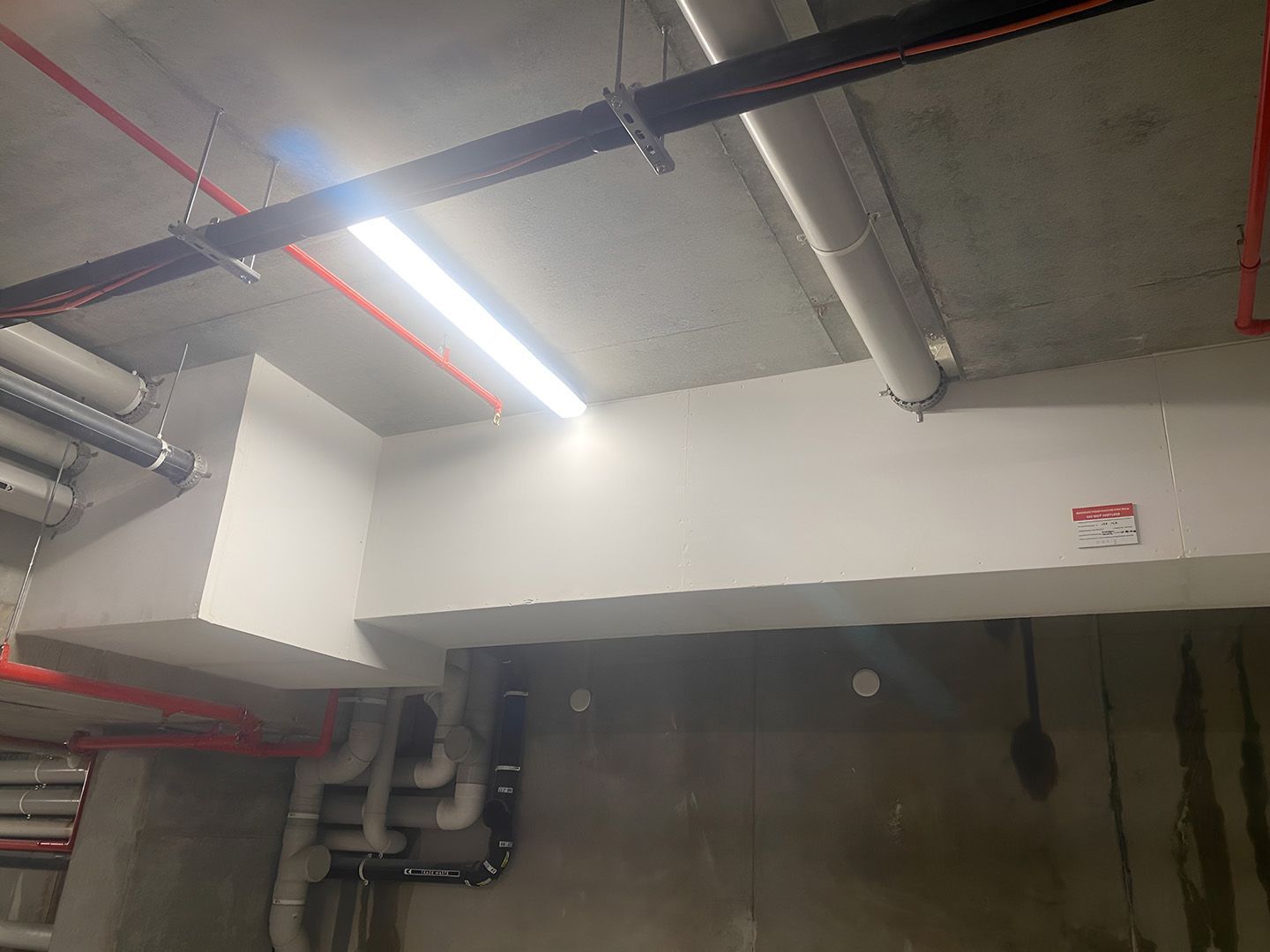
Passive fire protection is the foundation of structural fire safety. These measures are integrated into the building fabric and are designed to contain fire and smoke within defined areas. Their primary role is to preserve structural integrity and slow fire spread, allowing occupants time to evacuate and limiting damage.
Common passive fire protection elements include:
- Fire-rated walls, floors & ceilings
- Fire doors & fire-rated glazing
- Fire stopping to seal service penetrations
- Fire collars & dampers to maintain compartmentation
Because passive systems do not rely on activation, they are always in place. For new developments, incorporating compliant passive fire systems early in the design phase ensures fire resistance is maintained even as services and layouts become more complex.
How Active Fire Protection Systems Respond in Real Time
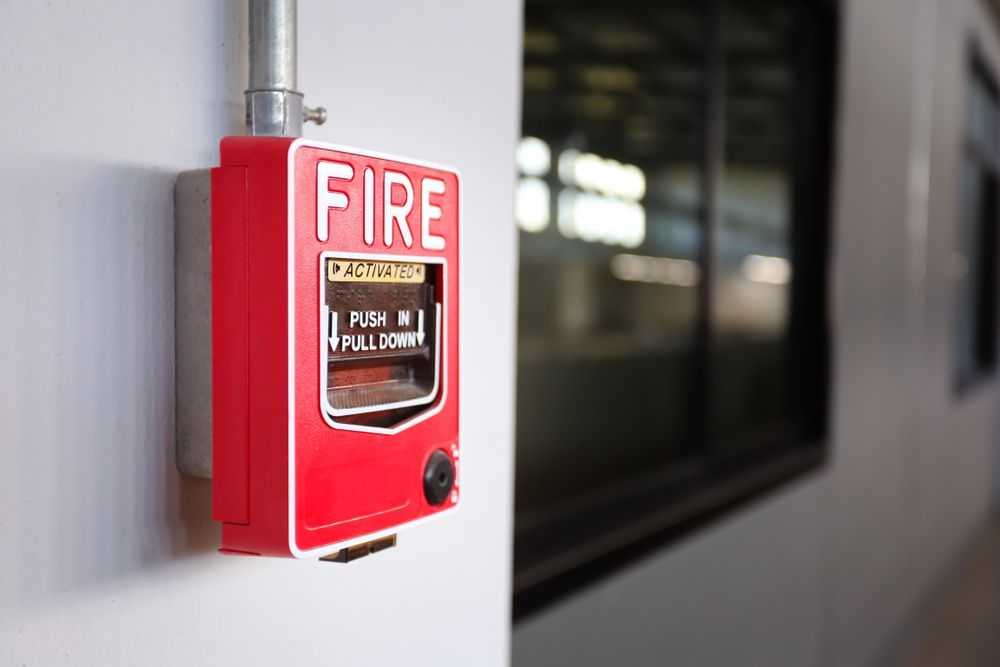
Active fire protection systems are designed to respond immediately once a fire event occurs. These systems detect heat or smoke and initiate warnings or suppression actions to control fire growth. Their role is intervention rather than containment.
Active fire protection systems may include:
- Fire detection & alarm systems
- Automatic sprinkler systems
- Fire hydrants & hose reels
These systems require careful coordination during design to ensure they operate effectively alongside passive fire measures. Active systems depend on correct placement, reliable power sources and ongoing testing to perform as intended.
Why Neither Approach Works Well in Isolation
Relying solely on either passive or active fire protection introduces avoidable risk. Passive systems can delay fire spread but do not respond to ignition, while active systems may control flames but cannot prevent smoke from travelling through unprotected pathways.
A balanced fire protection approach ensures that:
- Passive systems maintain compartmentation & structural stability
- Active systems detect & suppress fire events
- Both systems support compliance & occupant safety when integrated
For example, automatic suppression performs best when fire-rated walls and floors restrict fire movement, and detection systems are more effective when smoke spread is controlled. This integration is essential in developments where performance-based design is required.
Building Design Considerations that Influence the Balance
Fire protection decisions should be embedded into the early design stages of a project. For professionals planning new developments, the balance between passive and active systems is influenced by how the building will be used, serviced and maintained over time.
Key considerations include:
- Building height, footprint & layout
- Intended occupancy & density
- Service penetrations for mechanical & electrical systems
Separation Between Tenancies or Usage Zones
Early coordination reduces the likelihood of costly rectification works later and ensures fire protection measures remain effective as the building evolves.
The Importance of Compliant Installation & Documentation
Even well-designed systems can fail if they are not installed correctly. Compliance relies on both workmanship and accurate documentation that demonstrates systems meet tested and approved standards.
Critical compliance elements include:
- Installation aligned with tested fire systems
- Clear identification of fire-rated assemblies
- Accurate as-built records & compliance documentation
- Certification to support audits & future works
For passive fire systems that become concealed, documentation is essential to verify ongoing compliance and fire safety performance.
Fire protection systems must continue to perform long after construction is complete. Ongoing inspection and maintenance are essential to ensure that both passive and active systems remain effective throughout the building’s life.
Maintenance activities may include:
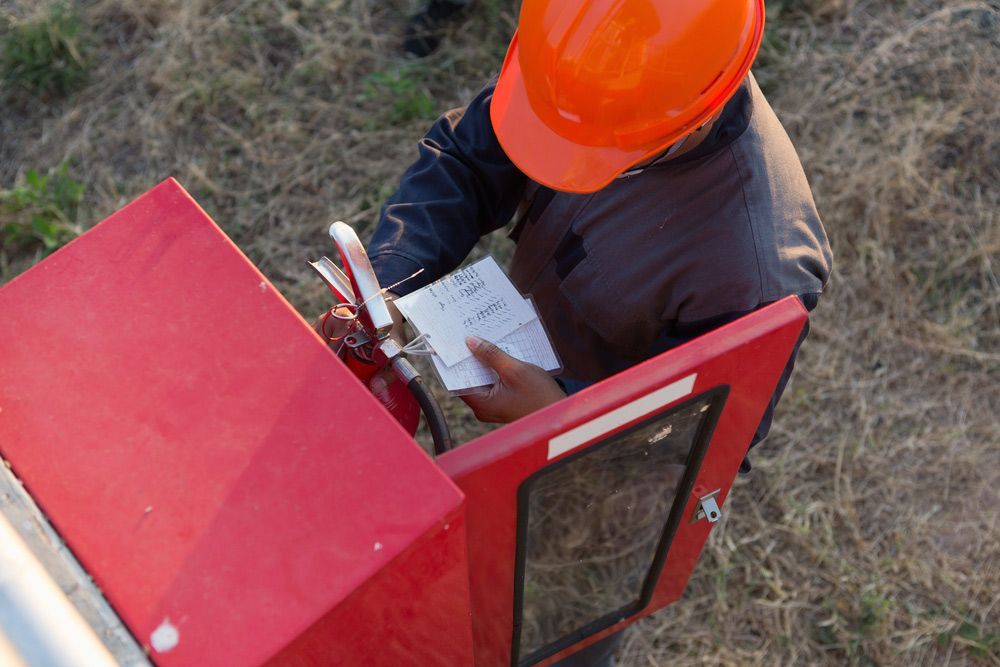
- Inspection of fire-stopping & fire-rated barriers
- Testing & servicing of detection & suppression systems
- Repair of damaged fire-rated elements
- Review following alterations or service upgrades
Passive fire systems are particularly vulnerable to damage during later works, making routine inspection a critical part of long-term fire and safety management.
Managing Fire Safety in Existing & Evolving Buildings
Buildings often change use, undergo upgrades or expand over time. These changes can compromise fire protection if not properly assessed. For developments that evolve after completion, maintaining the balance between passive and active systems is essential.
Common challenges include:
- New service penetrations breaching fire-rated barriers
- Upgrading active systems to meet current standards
- Identifying concealed non-compliances
- Minimising disruption during remedial works
A structured fire safety assessment helps ensure upgrades enhance protection rather than introduce new risks.
Achieving a Coordinated Fire Protection Strategy
Effective fire safety is achieved through coordination, not isolated decisions. Passive and active fire systems must be designed, installed and maintained as part of a single fire and safety strategy.
A coordinated approach typically includes:
- Early collaboration between designers & fire specialists
- Clear integration between passive & active systems
- Regular inspections supported by documentation
- Ongoing review as building use changes
This approach supports compliance, reduces risk and provides confidence for professionals responsible for planning and delivering safe developments.
When fire protection is approached as a coordinated system rather than a checklist item, it supports better decision-making across design, construction and long-term building management. For development professionals, this integrated mindset helps reduce compliance risks, limits future remediation and ensures fire and safety measures continue to perform as intended well beyond project completion.
Get in Touch
At Pasiv Fire, we specialise in fire and safety in Wollongong that support compliant, well-balanced fire protection strategies for new developments. From integrating passive fire systems that protect structural integrity to coordinating active systems that respond effectively in an emergency, our approach focuses on long-term performance and compliance.
If you are planning a new development and need guidance on achieving the right balance between passive and active fire protection, contact us or visit our website. We support fire prevention in Wollongong projects and understand the regulatory and design challenges associated with it.