How Regular Fire System Testing Prevents Costly Damages
Author: Pasiv Fire | Date: April 30, 2026
On this page:
- Detecting Hidden Issues Within Passive & Active Fire Systems
- Maintaining Compliance with Safety Standards Across Property Types
- Ensuring Reliable Performance During Emergencies
- Reducing Fire Spread & Protecting Building Structures
- Minimising Business Disruption & Operational Loss
- Supporting Long-Term Asset Protection & Property Value
- Strengthening Insurance Compliance & Risk Management
- Proactive Fire Safety & Cost Prevention
- Reliable Fire System Testing & Maintenance Services
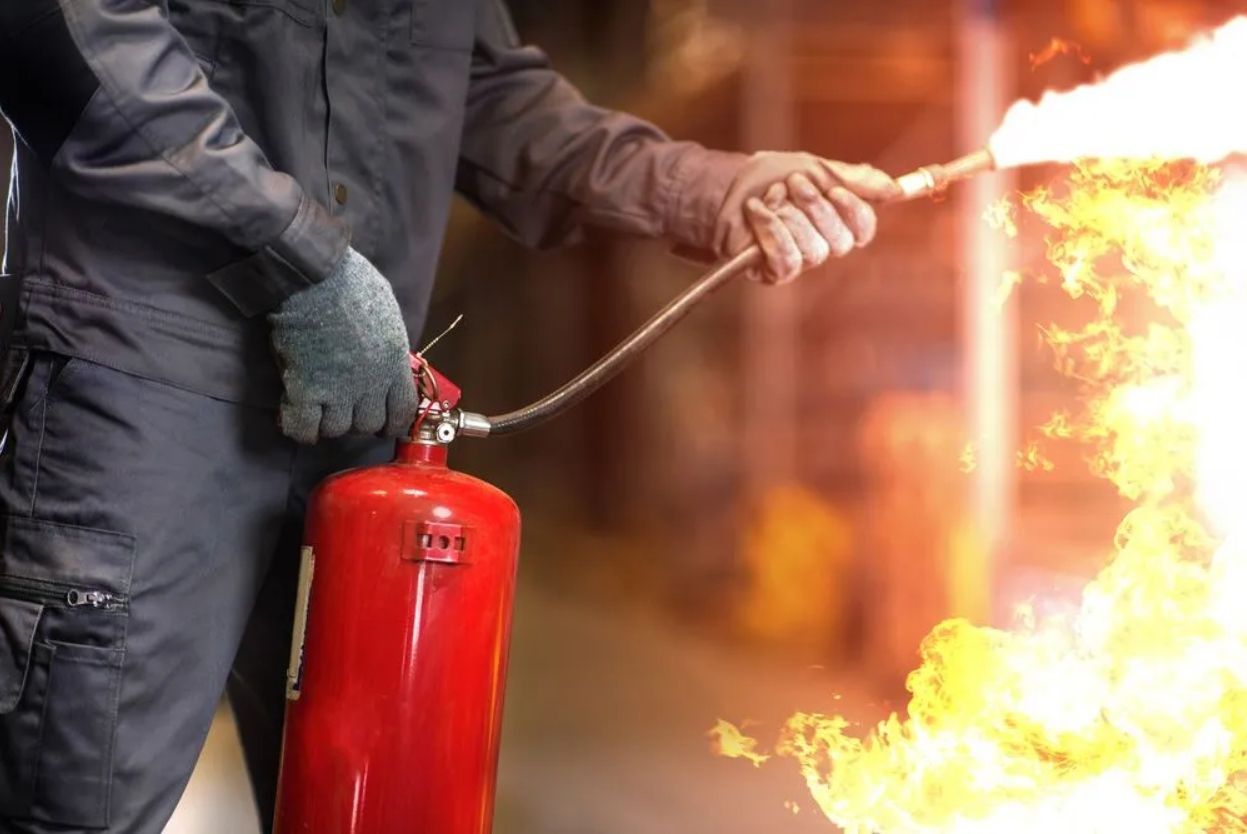
Fire incidents rarely begin as large-scale emergencies. More often, they start as small, manageable issues – a minor electrical fault, a malfunctioning appliance or an overlooked hazard. What determines whether that situation escalates is not just the source of ignition, but whether fire protection systems respond as expected. When those systems fail, the resulting damage can be severe, both financially and operationally, particularly when faults go undetected for extended periods.
Regular fire system testing in Illawarra is one of the most effective yet often overlooked parts of property maintenance. By ensuring that fire alarms, sprinkler systems, suppression systems and passive fire components are functioning correctly, property owners and managers can detect faults early, maintain compliance and avoid the significant costs associated with fire damage. If you have found yourself searching for
fire systems testing near me, it is often because you want reassurance that your system is compliant, properly maintained and ready to perform when it matters most. This proactive approach supports safety while protecting long-term property value and operational continuity.
Fire protection systems rely on a combination of passive elements and active components such as alarms and sprinklers, all of which must perform reliably under pressure. Over time, wear, environmental exposure and building modifications can introduce faults that are not immediately visible, particularly in commercial and high-use environments. A detailed inspection process is required to uncover these issues before they impact system performance or safety outcomes.
This process typically involves checking a range of structural and operational components, including:
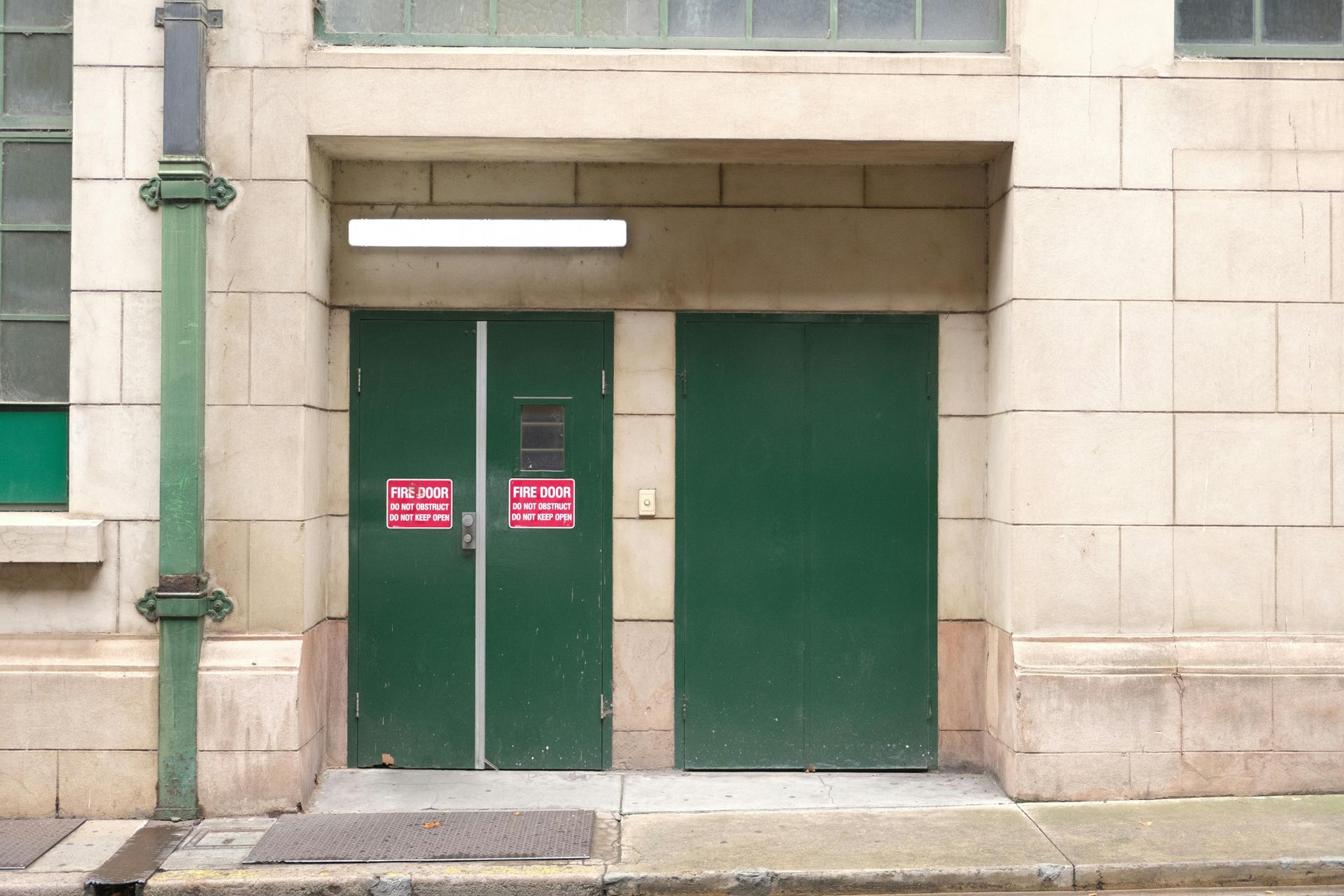
- Inspecting fire-rated walls, doors and barriers for structural integrity
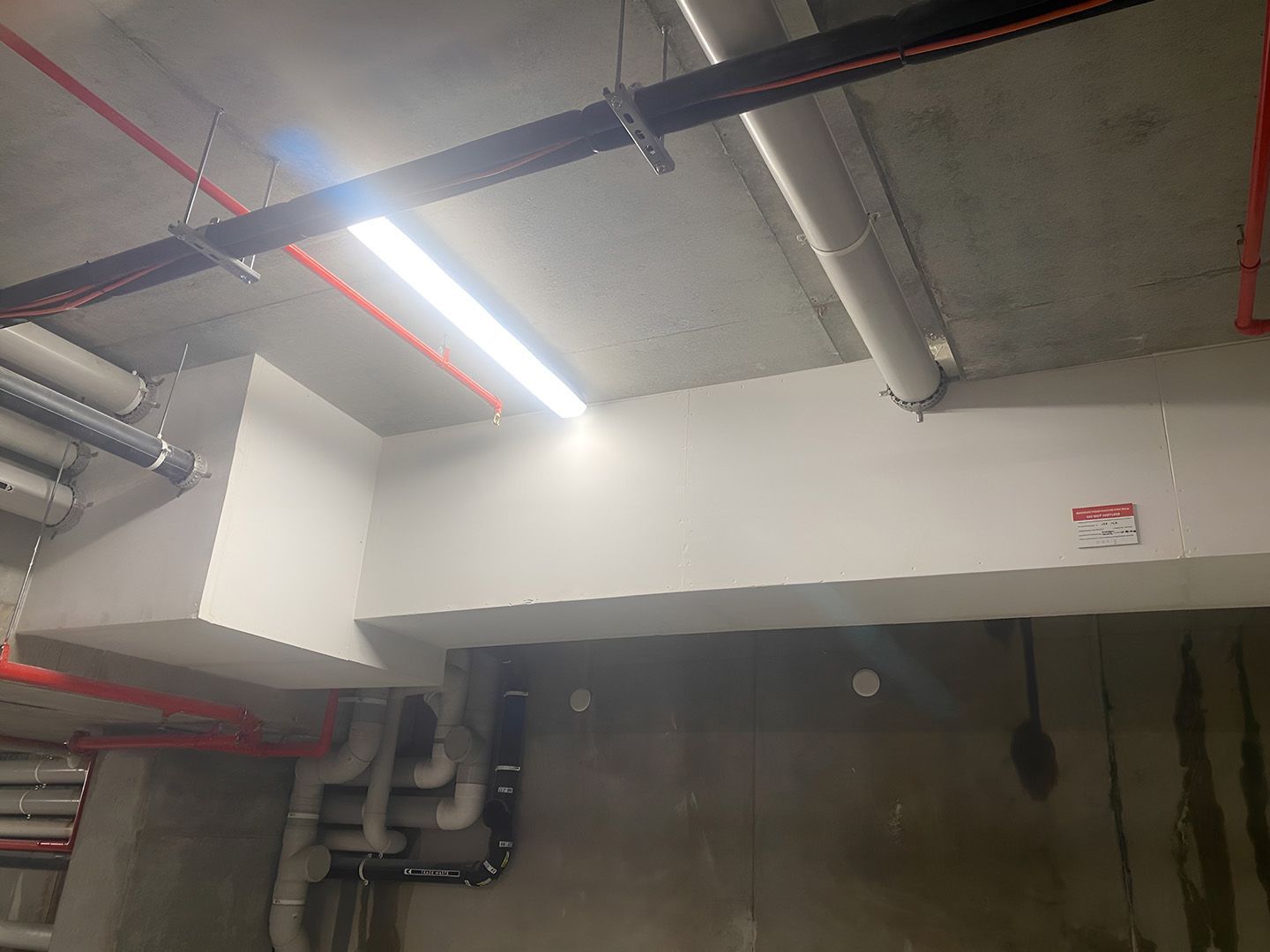
- Checking fire seals around penetrations such as pipes and cables
- Testing fire alarms and detection systems for correct operation
- Assessing sprinkler and suppression system readiness and pressure levels
By identifying these issues early, property owners and managers can prevent system failures during emergencies while avoiding costly reactive repairs and unexpected downtime.
Maintaining Compliance with Safety Standards Across Property Types
Fire safety compliance is a core responsibility for commercial property owners, strata managers and industrial operators who must meet strict regulatory requirements. These standards ensure that fire systems are capable of protecting occupants, assets and structural integrity in a wide range of environments. Regular testing plays a key role in demonstrating that these systems meet both legal and operational expectations.
To achieve compliance, inspections must address several key regulatory and documentation requirements, such as:
- Following AS1851 for routine servicing of fire protection systems
- Inspecting systems in line with relevant Australian Standards
- Maintaining detailed records for audits, reporting and certification
- Meeting compliance obligations across commercial and residential properties
Maintaining compliance not only reduces legal risk but also ensures that fire systems continue to operate effectively under real-world conditions.
Ensuring Reliable Performance During Emergencies
Fire systems must respond immediately when triggered, whether it is an alarm sounding, a sprinkler activating or a suppression system deploying. Without regular testing, there is no certainty that these systems will perform when required in high-pressure situations. Testing provides a controlled way to confirm that every component will function as expected during an emergency.
This involves assessing both individual system performance and overall system integration, including:
- Verifying alarm activation and detection response times
- Ensuring sprinkler systems distribute water effectively
- Testing suppression systems for correct operation and coverage
- Checking integration between alarms, detection and response systems
This level of testing is essential for reducing the risk of system failure during an emergency and improving overall safety outcomes.
Reducing Fire Spread & Protecting Building Structures
Passive fire systems are designed to slow the spread of fire, while active systems such as sprinklers help control it. When these systems are compromised, the impact of a fire can increase significantly, particularly in larger or more complex buildings. Maintaining both passive and active systems is essential to ensuring fire is contained effectively.
Inspections focus on preserving the integrity of these systems by addressing key risk areas, including:
- Preserving fire compartmentation between building areas
- Preventing fire and smoke from spreading through penetrations
- Supporting sprinkler and suppression systems in controlling fire spread
- Protecting structural elements from heat and damage
Maintaining these systems is especially important in environments where fire can spread quickly if not properly contained.
Minimising Business Disruption & Operational Loss
Fire incidents can have a lasting impact on business operations, leading to downtime, financial loss and disruption to services. Even minor system failures can create significant challenges if they prevent a timely response to an emergency. Regular testing helps ensure that systems support business continuity rather than contribute to operational risk.
This is achieved by focusing on areas that directly impact day-to-day operations, such as:
- Preventing failures that could delay emergency response
- Avoiding shutdowns due to non-compliant systems
- Maintaining safe working environments for staff and customers
- Supporting continuity across daily operations
By keeping systems in working order, businesses can operate with greater confidence and resilience.
Supporting Long-Term Asset Protection & Property Value
Fire protection systems play a critical role in maintaining the safety and long-term value of a property. Without regular maintenance, these systems can deteriorate, affecting both compliance and performance over time. Consistent testing ensures that systems continue to meet both safety requirements and asset protection goals.
This involves maintaining key components that contribute to overall property value, including:
- Maintaining the integrity of fire-rated materials and structures
- Ensuring alarms, sprinklers and suppression systems remain effective
- Preventing the gradual deterioration of system components
- Protecting the overall value and compliance status of the property
This is particularly important for property owners and strata managers responsible for maintaining shared or high-value assets.
Strengthening Insurance Compliance & Risk Management
Insurance providers often require evidence of regular maintenance when assessing fire-related claims. Without proper documentation, claims may be delayed, reduced or denied, increasing financial risk for property owners. Routine testing supports a stronger risk management strategy by ensuring all systems are properly maintained and documented.
To support insurance and compliance requirements, testing should include:
- Providing documented evidence of system maintenance
- Demonstrating a proactive approach to safety and compliance
- Improving the likelihood of successful insurance claims
- Reducing the risk of disputes during the claims process
Maintaining clear and consistent records ensures that property owners are well prepared in the event of an incident.
Proactive Fire Safety & Cost Prevention
Preventative maintenance is one of the most effective ways to manage long-term costs associated with fire systems. Addressing minor issues early helps avoid the far greater expense of fire damage, repairs and extended downtime. A proactive approach allows property owners to plan maintenance rather than respond to emergencies.
This approach delivers measurable financial and operational benefits, including:
- Avoiding expensive repairs caused by fire damage
- Reducing emergency maintenance and call-out costs
- Minimising financial losses from operational disruption
- Extending the lifespan of fire protection systems
For businesses, property managers and homeowners alike, proactive fire system testing provides a practical way to reduce risk while protecting long-term investment.
Reliable Fire System Testing & Maintenance Services
Fire system maintenance is an ongoing responsibility for property owners and managers, particularly when balancing compliance requirements, building safety and long-term asset protection. From fire alarms and sprinkler systems through to suppression systems and passive fire protection, every component must be regularly tested to ensure it performs when required. This is especially important across commercial properties, industrial facilities and residential buildings, where system failure can lead to significant damage and disruption.
At Pasiv Fire, we provide reliable fire systems testing in Illawarra, supporting commercial property owners, strata managers, industrial operators and homeowners with thorough inspections and preventative maintenance. If you are currently searching for fire systems testing near you, our team can help ensure your systems remain compliant, functional and ready to respond. Contact us today to arrange a service and take a proactive step towards protecting your property and avoiding costly damage.