How Passive Fire Systems Improve Safety in High-Risk Industries
Author: Pasiv Fire | Date: April 21, 2026

In high-risk industries such as construction, manufacturing and mining, safety planning is a critical part of daily operations. These environments often involve complex infrastructure, heavy machinery and materials that can increase fire risk if not properly managed. While many safety systems focus on responding to incidents, passive fire protection is designed to limit the impact of a fire before it spreads.
By integrating passive fire protection into buildings and industrial sites, businesses can create an added layer of protection that supports both people and assets. For organisations implementing passive fire protection in Illawarra, these systems are an important part of long-term risk management and operational safety.
What Is Passive Fire Protection & Why It Matters
Passive fire protection refers to systems built into a structure that help contain fire and reduce its spread. These systems are always in place and do not rely on manual or automatic activation to perform their function.
Passive fire protection in Illawarra is often included during construction or upgrades to improve overall safety performance.
Key functions include:
- Slowing the spread of fire and smoke between areas
- Creating barriers within buildings to limit fire movement
- Supporting structural stability during high heat exposure
- Providing valuable time for evacuation and emergency response
These systems form a foundation for managing fire risk in both industrial and commercial settings.
How Passive Fire Systems Contain & Slow the Spread of Fire
One of the main purposes of passive fire systems is to control how fire behaves within a structure. By dividing spaces and limiting airflow, these systems can slow the spread of flames and smoke.
Passive fire protection in Illawarra is designed to contain fire within specific zones, reducing the overall impact.
Containment strategies include:
- Compartmentation to separate different areas of a building
- Fire-resistant barriers that limit heat transfer
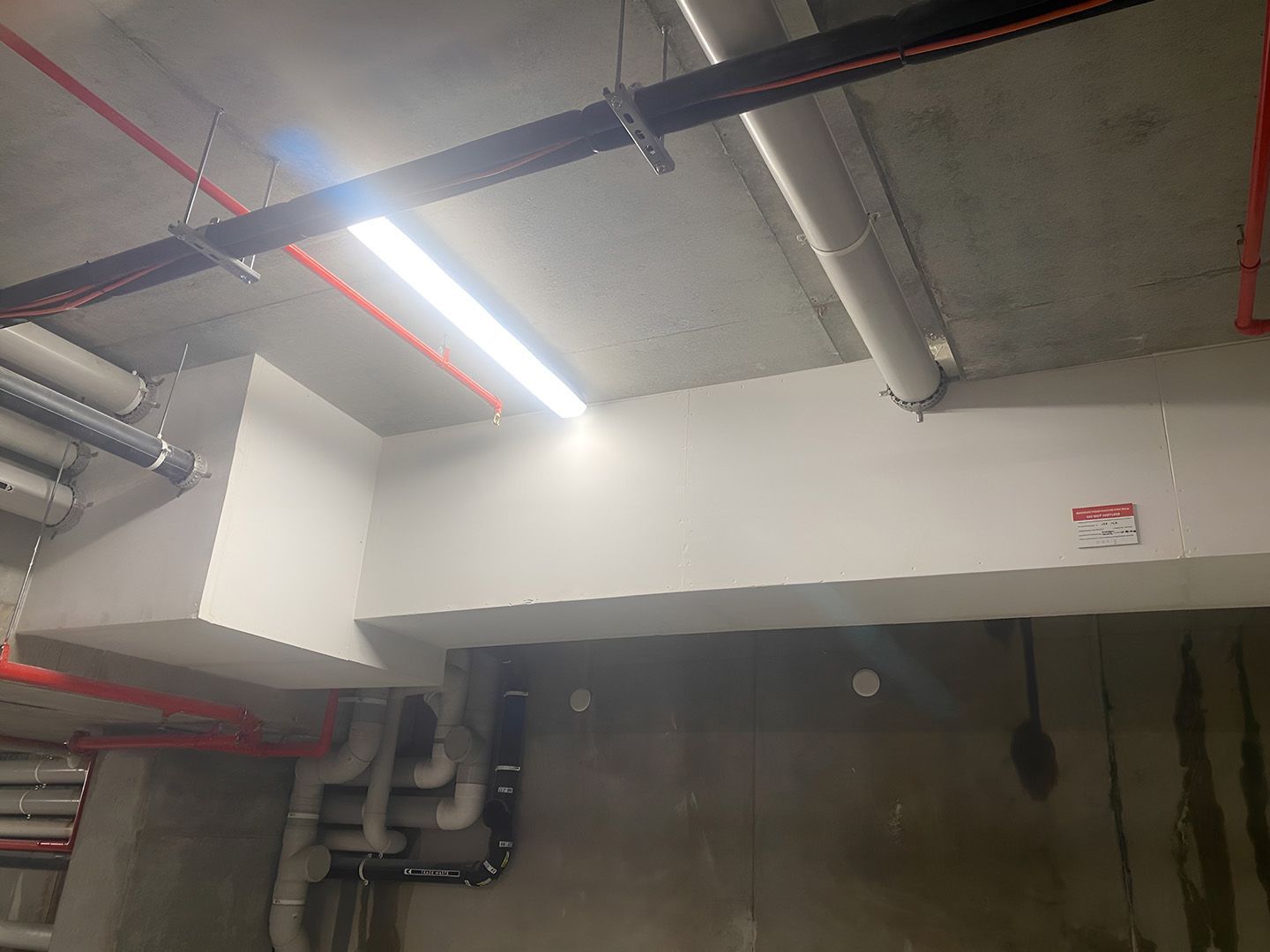
- Sealing service penetrations to prevent fire spread
- Structural design that controls smoke movement
These measures help reduce damage and create safer conditions during an incident.
Key Components of Passive Fire Protection Systems
Passive fire systems consist of multiple components that work together to provide protection. Each element plays a specific role in containing fire and supporting the structure.
Passive fire protection in Illawarra typically includes a combination of these systems.
Common components include:
- Fire-rated walls and ceilings to divide spaces
- Fire-resistant doors designed to limit fire movement
- Protective coatings applied to structural materials
- Sealants used around pipes, cables and joints
When installed correctly, these components help maintain the integrity of the building during a fire.
Protecting Structural Integrity in High-Risk Environments
In high-risk industries, maintaining the strength of a structure during a fire is essential. Heat can weaken materials such as steel and concrete, increasing the risk of structural failure if not protected.
Passive fire systems help reduce the impact of high temperatures on critical components.
Structural protection includes:
- Insulating coatings that slow heat transfer
- Barriers that shield load-bearing elements
- Systems that help maintain stability for longer periods
- Measures that reduce the likelihood of early collapse
This level of protection is particularly important in facilities with complex layouts or heavy equipment.
Supporting Safe Evacuation & Reducing Risk
Passive fire protection contributes to safer evacuation by slowing the progression of fire and smoke. This additional time can make a significant difference in how people exit a building during an emergency.
Passive fire protection in Illawarra supports overall safety planning in high-risk environments.
Safety benefits include:
- Allowing more time for occupants to evacuate
- Reducing exposure to heat and smoke
- Helping maintain accessible exit pathways
- Supporting coordinated emergency response efforts
These systems are an important part of protecting workers and visitors in industrial and commercial spaces.
Compliance Requirements for Industrial & Commercial Sites
Meeting fire safety standards is a key responsibility for businesses operating in high-risk industries. Passive fire systems must align with relevant regulations to ensure they perform as expected.
Passive fire protection in Illawarra is often assessed during audits and inspections.
Compliance considerations include:
- Adhering to Australian building and fire safety standards
- Regular inspection of fire-rated materials and systems
- Ensuring correct installation of passive fire components
- Maintaining accurate records for compliance purposes
Following these requirements helps support safe and compliant operations.
Long-Term Cost & Risk Management Benefits
Investing in passive fire protection can support long-term cost management by reducing the potential impact of fire-related incidents. While these systems are part of initial construction or upgrades, their value extends over time.
Passive fire protection in Illawarra contributes to more predictable risk outcomes.
Long-term benefits include:
- Reduced risk of extensive property damage
- Lower potential costs associated with repairs and downtime
- Protection of critical infrastructure and assets
- Support for ongoing compliance and insurance considerations
These advantages make passive fire systems a practical part of risk management strategies.
Choosing the Right Passive Fire Strategy for Your Site
Every site has different requirements based on its layout, operations and level of risk. Selecting the right passive fire strategy involves understanding these factors and applying suitable solutions.
Passive fire protection in Illawarra can be tailored to suit a range of industries and building types.
Key considerations include:
- Nature of operations and associated hazards
- Size and complexity of the facility
- Compliance requirements specific to the industry
- Integration with broader safety systems
Taking a planned approach helps ensure that passive fire measures align with operational needs.
Supporting Safer Work Environments with Passive Fire Protection
If you’re planning or reviewing fire safety measures, we at Pasiv Fire provide support for businesses implementing passive fire protection in Illawarra. Our team works with clients across construction, manufacturing and industrial sectors to develop solutions suited to their environments.
By focusing on containment, structural protection and long-term planning, passive fire systems play a key role in improving safety outcomes. With the right approach in place, businesses can better manage risk and maintain safer, more resilient operations over time. Contact our team today to find out more.