What Fire Safety Measures Should Every Office Have
Author: Pasiv Fire | Date: June 24, 2026
On this page:
- A Fire Detection System Is the First Line of Defence in Any Office
- Is Your Office Designed to Slow a Fire Down, Not Just Detect It?
- Picture This: A Small Electrical Fire in the Server Room. What Happens Next Depends on Your Walls
- Fire Stopping Around Penetrations Is a Detail That Offices Often Miss
- When Did Your Office Last Have Its Fire Safety Measures Formally Inspected?
- The Annual Fire Safety Statement Is More Than a Compliance Tick Box
- Your Office Layout Has Changed. Has Your Fire Safety Plan Kept Up?
- Fire Safety Requirements Vary. One-Size-Fits-All Approaches Fall Short.
- Ready to Review Your Office Fire Safety?
Most office managers would say their building is safe. The exits are signed, the alarm was tested at some point last year, and nothing has gone wrong so far. But fire safety in a commercial environment is rarely about obvious gaps. It is about the quiet ones. The unsealed penetration behind the plasterboard. The fire door that no longer closes fully. The system that has not been formally inspected since the last fit-out.
Fire safety in Wollongong offices is a layered approach that combines early-warning systems, structural protection, ongoing maintenance, and formal compliance. Understanding what those layers are, and how they work together, is the starting point for any business owner or facilities manager who takes their duty of care seriously.
A Fire Detection System Is the First Line of Defence in Any Office
Fire detection systems provide the earliest possible warning that something is wrong. Smoke detectors, heat detectors, and alarm panels work in concert to identify the presence of fire before it has a chance to take hold, giving occupants time to evacuate in an orderly manner. Their effectiveness depends entirely on correct placement, regular testing, and ongoing maintenance. A system installed five years ago may no longer provide adequate coverage if the office layout has since changed.
- Correct placement of detectors relative to ceiling area and air flow
- Regular functional testing to confirm all devices are operating as intended
- Assessment of whether the existing system suits the current building layout
Is Your Office Designed to Slow a Fire Down, Not Just Detect It?
Passive fire protection is built into the structure of the building itself. Fire-rated walls, floors, ceilings, and doors divide a building into contained zones that do not require a power source or trigger to function. Their purpose is to limit how far fire and smoke can travel once a fire takes hold, giving occupants time to evacuate and reducing damage to the broader building.
- Fire-rated wall and floor assemblies meeting required Fire Resistance Levels
- Intumescent seals on fire doors that expand under heat to block smoke passage
- Assessment of existing compartmentation to identify gaps or compromised barriers
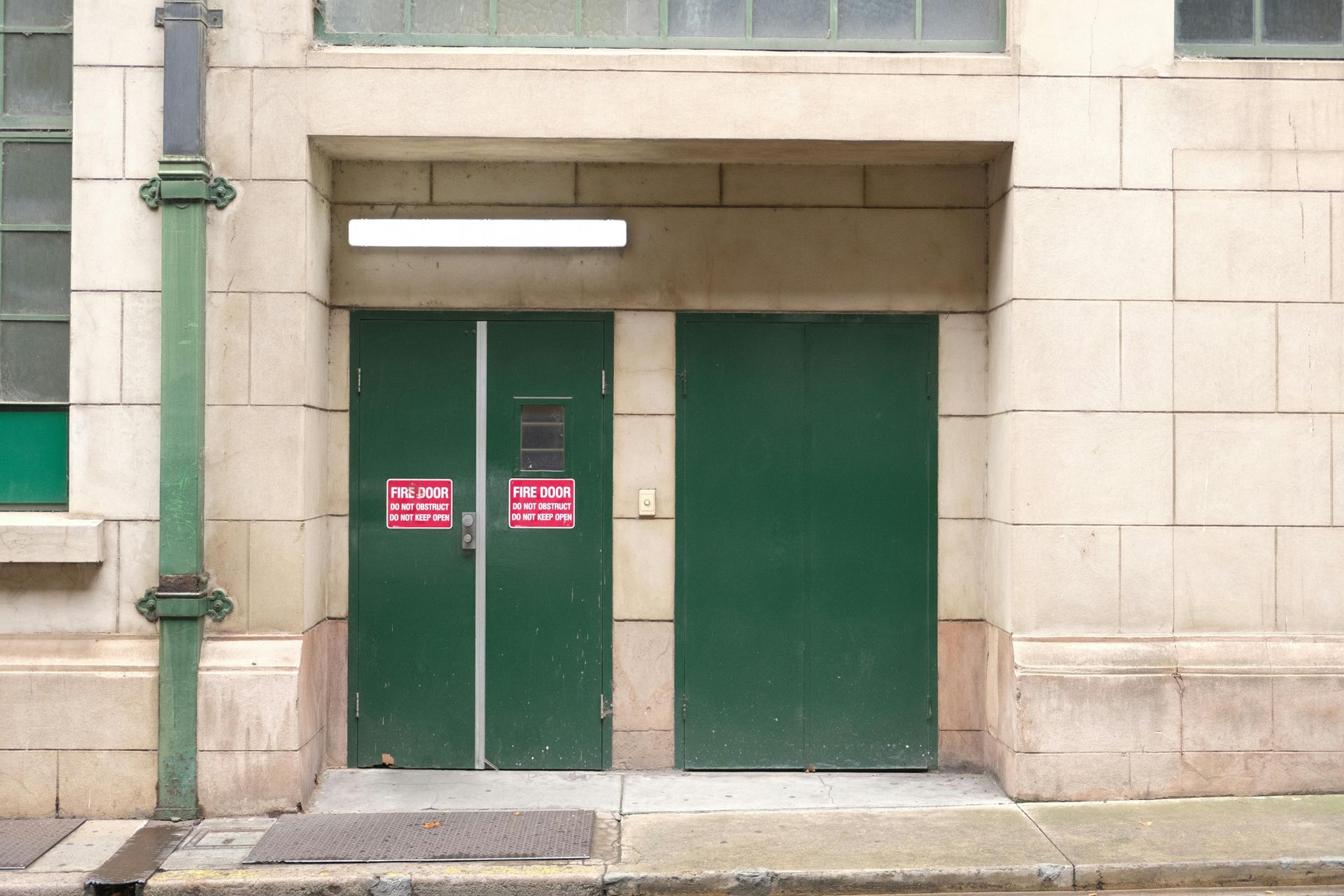
A localised electrical fire does not have to become a building-wide emergency. Fire-rated walls are designed to contain fire within a defined zone for a specified period, commonly 60, 90, or 120 minutes. Fire-rated doors in those same walls must close automatically and seal correctly to prevent smoke migrating through corridors and stairwells. Without these barriers performing as intended, a contained incident can quickly become something far more disruptive.
- Self-closing mechanisms on fire doors in corridors and stairwell access points
- Intumescent strips and smoke seals fitted to door frames
- Fire-rated walls around high-risk areas such as server rooms and electrical cupboards
Fire Stopping Around Penetrations Is a Detail That Offices Often Miss
Every time a pipe, cable, conduit, or duct passes through a fire-rated wall or floor, it creates a potential gap in the building's protection. Fire stopping restores the fire resistance of the barrier at the point of penetration using certified materials including intumescent products, fire collars, and fire-rated sealants. Without it, each penetration is a pathway for fire and smoke to travel between compartments.
- Sealing of penetrations created during any new service installation or upgrade
- Inspection of existing fire stopping for deterioration, damage, or incomplete seals
- Documentation of fire stopping locations for ongoing compliance management
When Did Your Office Last Have Its Fire Safety Measures Formally Inspected?
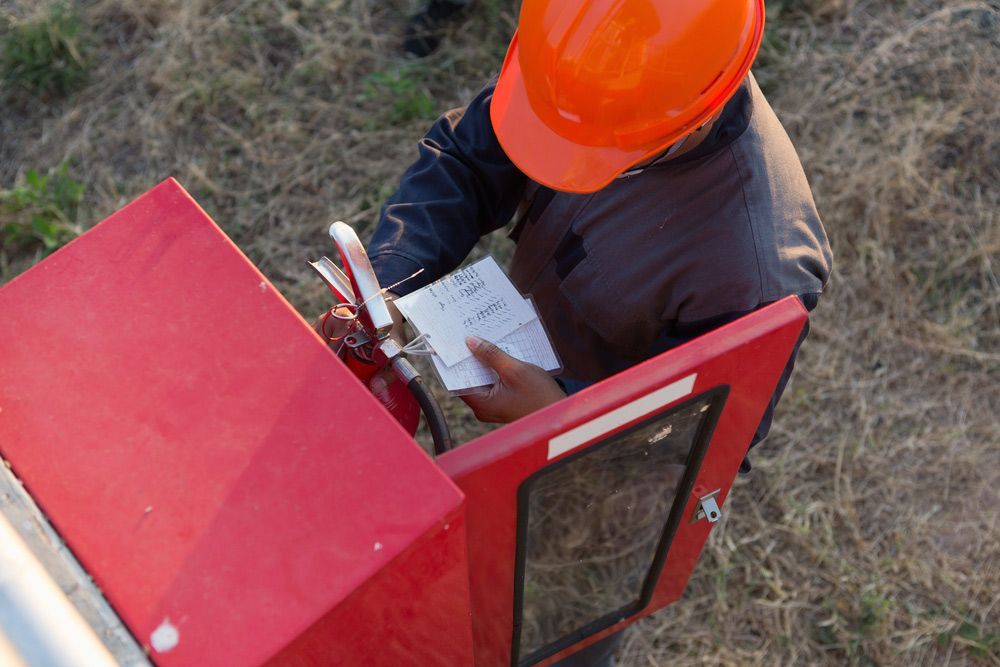
Fire safety systems age, get modified, and are occasionally compromised by the everyday activity of a functioning office. A contractor patching a hole incorrectly or a fire door wedged open for convenience can each have a meaningful impact on overall performance. Regular formal inspections catch these issues before they become compliance failures. They also create a record of activity that supports Annual Fire Safety Statements and insurance reviews.
- Assessment of passive fire protection elements including barriers, doors, and seals
- Testing of detection and alarm system components
- Identification of compliance gaps or maintenance items requiring attention
The Annual Fire Safety Statement Is More Than a Compliance Tick Box
An Annual Fire Safety Statement (AFSS) is a formal NSW requirement for most commercial buildings. It is a declaration, submitted to council each year, that all essential fire safety measures have been assessed by a suitably qualified person and meet the required standard. Missing the deadline or submitting an inaccurate statement carries real consequences for building owners.
- Coordinating inspections across all essential fire safety measures
- Ensuring measures have been maintained to the standard specified in the schedule
- Lodging the completed AFSS with council within the required timeframe
Your Office Layout Has Changed. Has Your Fire Safety Plan Kept Up?
Fit-outs and renovations can affect the performance of existing fire safety systems in ways that are easy to overlook. A new internal wall may not be fire-rated to the required standard. A cable run through an existing fire-rated wall creates a penetration that must be fire stopped. Engaging fire safety professionals during building works ensures compliance is maintained throughout and any new elements meet the required standard.
- Assessment of proposed changes against the existing fire safety schedule
- Specification of fire-rated materials for any new walls, floors, or ceiling elements
- Reinspection of affected areas following completion
Fire Safety Requirements Vary. One-Size-Fits-All Approaches Fall Short.
Fire safety obligations differ based on building class, occupancy numbers, floor area, and intended use. A small single-tenancy office has meaningfully different requirements to a multi-tenancy commercial building with hundreds of daily occupants. A fire safety programme calibrated to the specific building and its use provides genuine protection and appropriate compliance, without over-engineering beyond what is required. Professional fire prevention services Wollongong businesses can access include site-specific assessments that give office owners a clear picture of their obligations.
Ready to Review Your Office Fire Safety?
We at Pasiv Fire work with commercial property owners, tenants, and facilities managers across Wollongong and the surrounding region. Whether you need a fire safety inspection, support with your Annual Fire Safety Statement, advice on passive fire protection for a planned fit-out, or a review of your current fire prevention measures, we are here to help. Contact us today to discuss your office fire safety requirements and how we can support you in meeting your obligations with confidence.